

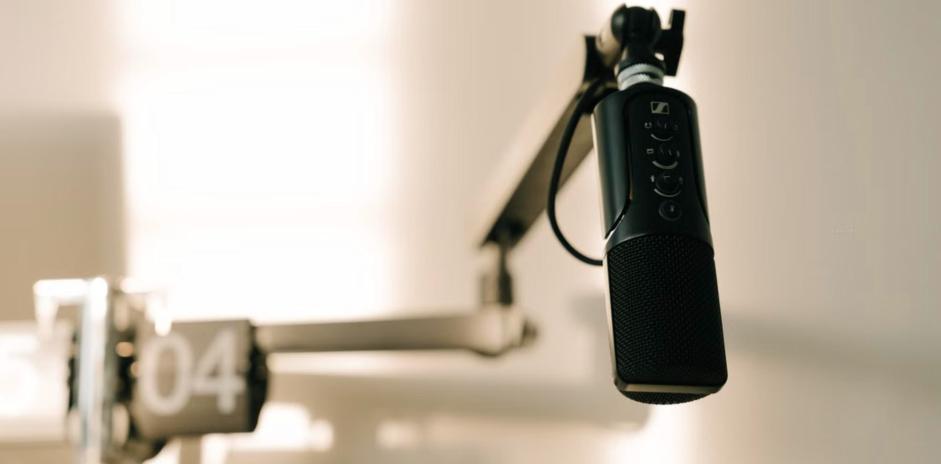
A small audio team gets a rush order from a client who needs a podcast episode in four languages by Friday and realizes halfway through the week that nobody planned who would record the narration or who would check the final files. The scramble that follows is familiar to almost everyone who has worked in audio production and it usually starts with a script nobody has locked.
Why Audio Projects Go Off Track
Most delays in audio work begin at the handoff between writers and translators and the people who sit in front of the microphone. When a script changes after recording has started the narrator has to return to the studio and the editor has to rebuild every file that depended on the old version. Costs grow quickly because each late change touches several people at once.
The simplest cure is to agree on a final script before any session is booked and to treat every later edit as a new request with its own deadline. Teams that follow this habit find that the studio hours shrink and that translators have time to polish their work instead of racing the clock. That calm start also makes it easier to choose the right voices.
Choosing The Right Voice For Each Market
A voice that sounds warm and trustworthy in one country can feel distant in another so the casting step deserves real attention. Companies that look for professional voice over services usually begin by listening to samples from native speakers who match the personality of the brand. They then share background about the audience so that the narrator understands who is listening and why.
Once the voice is chosen the script must be prepared for the ear and not for the eye. Long sentences with stacked clauses are tiring to hear and they make narrators stumble. Reading the text aloud before the session reveals the awkward spots and a short glossary of names and technical terms with audio examples prevents the corrections that otherwise eat into the studio budget.
Where Automation Fits In
While the creative decisions stay with people many teams now rely on ai automation tools for the repetitive steps around the recording such as naming files and assigning tasks and producing first draft transcripts. These helpers free producers to concentrate on performance and timing and they shorten the waiting between one stage and the next. A trained listener should still approve every file because automated drafts miss tone and nuance.
That combination of automation and human review works best when the studio itself is simple and reliable. A quiet room and a decent microphone matter far more than expensive software since echo and background noise are almost impossible to remove later. Soft furnishings and a pop filter and a steady distance from the microphone improve results immediately and they cost very little.
Turning One Recording Into Many Formats
The podcast has become one of the most popular ways for companies to speak directly to customers and a single well organized episode can feed articles and short clips and training material. Offering the same episode in several languages multiplies the audience without multiplying the effort when the original was planned with translation in mind. Written transcripts in each language add accessibility and give search engines more text to index.
When narration accompanies video the timing of each sentence must also match the images. Languages differ in length so a translated sentence may need more or fewer seconds than the original and editors often adjust the script slightly to keep voice and visuals together. Early conversations between translators and editors prevent the awkward pauses and rushed endings that viewers notice immediately.
Quality Control Before Delivery
Every finished file should be checked for clicks and breaths and mispronounced words by a second listener who did not take part in the recording. Fresh ears catch what the original team no longer notices after days of work. A short checklist keeps the review consistent from one project to the next and it gives clients confidence that nothing was left to chance.
Good file management completes the picture because audio projects produce dozens of versions and confusion about which one is current can ruin a delivery. Clear naming rules and a shared folder structure keep everybody aligned while backups in two places protect recordings that would be impossible to recreate. These small habits cost almost nothing yet they prevent the problems that damage client relationships.
Planning Budgets And Schedules
Budgets for audio work depend on length and the number of languages and the amount of editing so an itemized quote helps clients compare offers fairly. Realistic schedules matter just as much as fair prices since rushed jobs usually need extra rounds of corrections that cancel any savings from a quick turnaround. Teams that explain this trade off early find that clients accept sensible timelines.
Clear feedback from the client speeds up every round of revisions. Comments that point to a specific sentence and explain the problem are far more useful than general remarks about tone and they help the narrator deliver the right performance on the next take. Staff who commission audio regularly benefit from a short introduction to the vocabulary studios use.
Measuring Results And Looking Ahead
Listening numbers and completion rates and customer comments show whether the localized episodes are working in each market. Comparing those results reveals which languages deserve more investment and which topics should come next. Over time the team builds a library of proven formats that can be reused with confidence and that shortens every future project and makes planning far easier for everyone involved.
Audio will keep growing as a channel because people can listen while they commute or work or exercise. Companies that prepare their processes now will be ready to scale when demand rises and the teams that succeed will be those that combine careful planning with skilled performers and sensible technology. That mix delivers consistent quality in every language and earns the trust of clients who come back for more.
Recent Posts

Traduzione Audio Per Video Azi...
Traduzione Italiano Arabo Per ...

Traducción Para Empresas Con ...
Traducción Jurada Para Trámi...

Gedolmetschte Interviews richt...

Gerichtsprotokolle sicher tran...
Share it.

We use cookies
We use cookies to give you the best online experience, remember your preferences, and understand how the site is used. You can accept all cookies, reject optional ones, or choose which categories to allow.
Privacy PolicyCookie preferences
Choose which cookies we can use. Necessary cookies stay on because the site cannot work without them.
For more details, read our Privacy Policy.